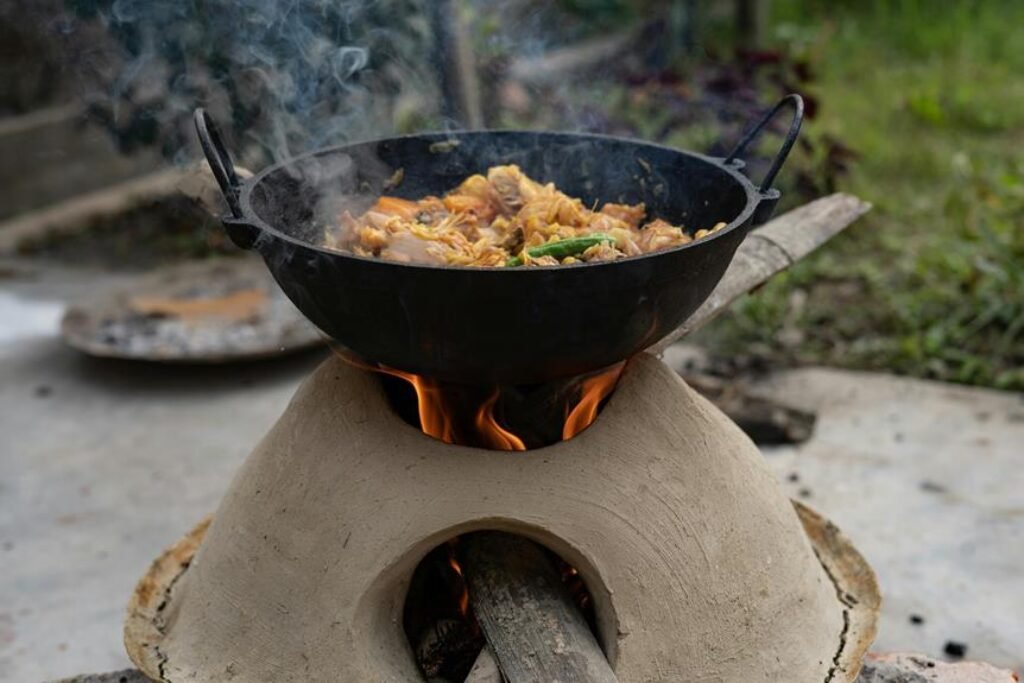
When it comes to preparing eco-friendly campfire meals, your choice of cooking methods can make a significant impact. By adopting sustainable fuel choices, utilizing eco-friendly cooking equipment, and employing low-impact cooking techniques, you can elevate your outdoor culinary experience while treading lightly on the environment. But what other innovative strategies can you explore to ensure your campfire meals are not only delicious but also environmentally conscious?
Sustainable Fuel Choices
When cooking over a campfire, opt for sustainable fuel choices to minimize environmental impact. Choose locally sourced firewood or charcoal made from sustainable materials like coconut husks or bamboo. These options reduce the carbon footprint associated with transportation and support responsible forestry practices.
Another eco-friendly fuel choice is using natural resources found in the environment, such as fallen branches, twigs, or pinecones. By gathering these materials mindfully and not depleting the natural surroundings, you can cook your meals while minimizing waste and preserving the ecosystem.
Consider investing in a portable solar stove or a biomass stove that uses renewable resources like wood pellets. These innovative cooking tools harness the power of the sun or sustainable materials, offering an efficient and eco-conscious way to prepare your campfire meals.
Eco-Friendly Cooking Equipment
To further enhance your eco-friendly campfire cooking experience, consider selecting cooking equipment that prioritizes sustainability and minimal environmental impact. Look for options made from durable and eco-friendly materials such as stainless steel, cast iron, or ceramic, which have a longer lifespan and are less harmful to the environment compared to disposable alternatives. Opt for reusable utensils and plates instead of single-use plastic ones to reduce waste. Additionally, choose cooking equipment that’s versatile and multifunctional to minimize the number of items you need to bring along.
Investing in a high-quality, eco-friendly camping stove can also make a difference. Look for stoves that are energy-efficient and emit lower levels of harmful emissions. Some stoves are designed to use renewable energy sources such as solar power or biomass, reducing your carbon footprint even further. When choosing pots and pans, select those with non-toxic coatings that are free from harmful chemicals like PFOA and PTFE. By carefully selecting eco-friendly cooking equipment, you can enjoy delicious campfire meals while minimizing your impact on the environment.
Low-Impact Cooking Techniques
Consider incorporating low-impact cooking techniques into your campfire meals to reduce your environmental footprint while enjoying delicious outdoor cuisine.
Opt for methods like foil packet cooking, where you wrap your ingredients in foil and cook them directly on the coals. This technique reduces the need for pots and pans, saving water used for cleaning.
Another low-impact method is using a Dutch oven, which retains heat well and allows for even cooking with less fuel. By adjusting the number of coals on top and bottom, you can control the temperature precisely.
Additionally, try cooking directly on hot stones or using a portable grill grate over the fire instead of relying on disposable items. These techniques not only minimize waste but also add a unique flavor to your meals.
Remember to source local and sustainable ingredients to further reduce your environmental impact while enjoying nature’s bounty. By adopting these low-impact cooking practices, you can savor delicious campfire meals while treading lightly on the environment.
Waste Reduction Strategies
Incorporating efficient waste management techniques into your campfire cooking routine can significantly minimize environmental impact and enhance sustainability during your outdoor culinary adventures. Start by planning your meals carefully to avoid overbuying ingredients that might end up as waste. Opt for reusable containers to store food items instead of single-use plastics. When preparing your ingredients, consider composting organic scraps like fruit peels and vegetable trimmings. This not only reduces the amount of waste but also contributes to the health of the ecosystem.
During cooking, try to use all parts of the ingredients to minimize leftovers. For example, vegetable peels and leftover meat can be used to make flavorful broths or stocks. If you have leftovers, store them properly in airtight containers to prevent spoilage. Remember to pack out all your trash, including food scraps, to leave no trace behind. By following these waste reduction strategies, you can enjoy delicious campfire meals while leaving a minimal environmental footprint.
Camping